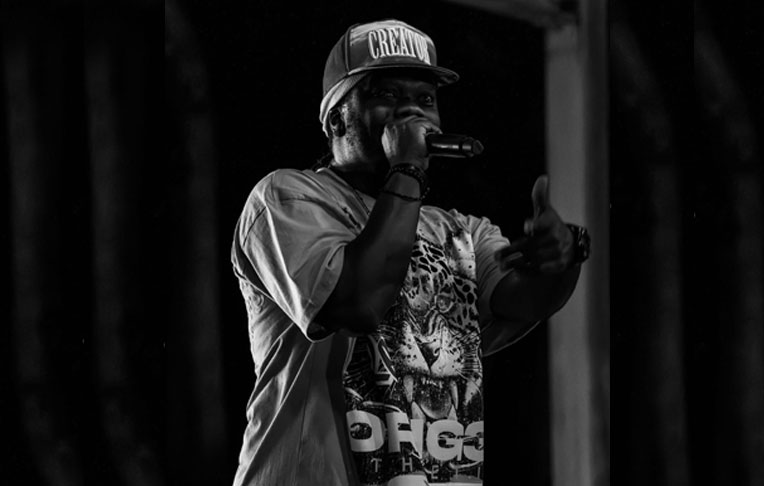



Meet Travis Miller: A Voice for the People
Activism Inspiration
What inspired my activism was watching injustice become normal. In Kankakee, I saw how systems quietly decide who gets opportunity and who gets obstacles. I saw young Black students labeled before they were nurtured. I saw potential people criminalized instead of cultivated. I saw families navigating a system that seemed designed to exhaust them rather than empower them.
And I refused to accept that as that’s “just the way it is.”
My activism didn’t start from theory, it started from proximity. From conversations with mothers trying to keep their sons out of the system. From watching returning citizens come home with hope, only to be prevented from having the opportunity to receive jobs and housing. From seeing how over-policing and under-investment can shape an entire community’s future.
I became an activist because silence felt like complicity. For nearly 20 years, my work has centered on disrupting the school-to-prison pipeline, fighting for scholarship access, pushing for criminal justice reform, reducing recidivism, and demanding police accountability, because all of those issues are connected. They’re not isolated problems; they are patterns.
And at the core of it all is this: Black people deserve equity, dignity, and fairness, not as a favor, not as a trend, but as a right. I’m not motivated by titles or recognition. I’m motivated by impact. I want the next generation in Kankakee to inherit systems that work for them, not against them. That’s what keeps me in this line of work. And I’m not done yet.
Concerns of the Black and Brown people when it comes to the judicial system in Kankakee County
I want to be clear; my position isn’t about attacking individuals. It’s about examining systems. I don’t have specific sentencing data in front of me that proves disparities in every case, so I won’t make claims I can’t substantiate. But what I can speak to is lived experience, community testimony, and patterns we see across the country, where data has consistently shown racial disparities in arrests, charging decisions, and sentencing outcomes.

In Kankakee, many Black and Brown residents feel over-policed and under-protected. We have seen instances of unjust arrests and unnecessary harassment. Whether those cases are isolated or indicative of broader issues, they deserve transparency and accountability.
This isn’t about blaming one State’s Attorney, one judge, or one officer. Systems operate over time, across administrations. If there are disparities, they are systemic, not personal.
What I advocate for is transparency. If sentencing is equitable, then the data should reflect that. If arrest patterns are fair, the numbers should confirm it. Accountability shouldn’t be feared, it should be welcomed.
Justice should be consistent, impartial, and humane. And if members of the community feel that isn’t happening, it’s not enough to dismiss those concerns — we have to examine them. My commitment is not to tear down institutions. It’s to strengthen them by ensuring they serve everyone equally.
Conclusion
Yes. I don’t do this work for headlines. I do it for history. For nearly two decades in Kankakee, I’ve fought for opportunity, fairness, and dignity because I believe our community deserves systems that lift people up — not lock them out. My focus has never been temporary change. It has always been generational impact.
I want a Kankakee where a child’s ZIP code doesn’t determine their destiny. Where returning citizens have real second chances. Where justice is truly impartial. Where Black and Brown families don’t have to question whether fairness applies to them. This work is bigger than protests. It’s about policy. It’s about leadership. It’s about building institutions strong enough to serve everyone equally.
I believe accountability and collaboration can coexist. I believe progress requires courage. And I believe our city can become a model for what equitable reform looks like, if we are willing to do the hard work.
At the end of the day, legacy isn’t about what you say. It’s about what you build that lasts.
And I’m committed to building something that outlives me.