


The Rising Impact of Earthquakes, Floods, and Wildfires
Natural disasters have always been part of Earth’s story, but in recent years, their frequency, intensity, and impact have grown more visible and more devastating. From powerful earthquakes that reshape entire cities to floods that displace millions and wildfires that consume vast landscapes, these events are no longer isolated tragedies. They are global challenges demanding urgent attention, preparation, and resilience.
The Unpredictable Power of Earthquakes
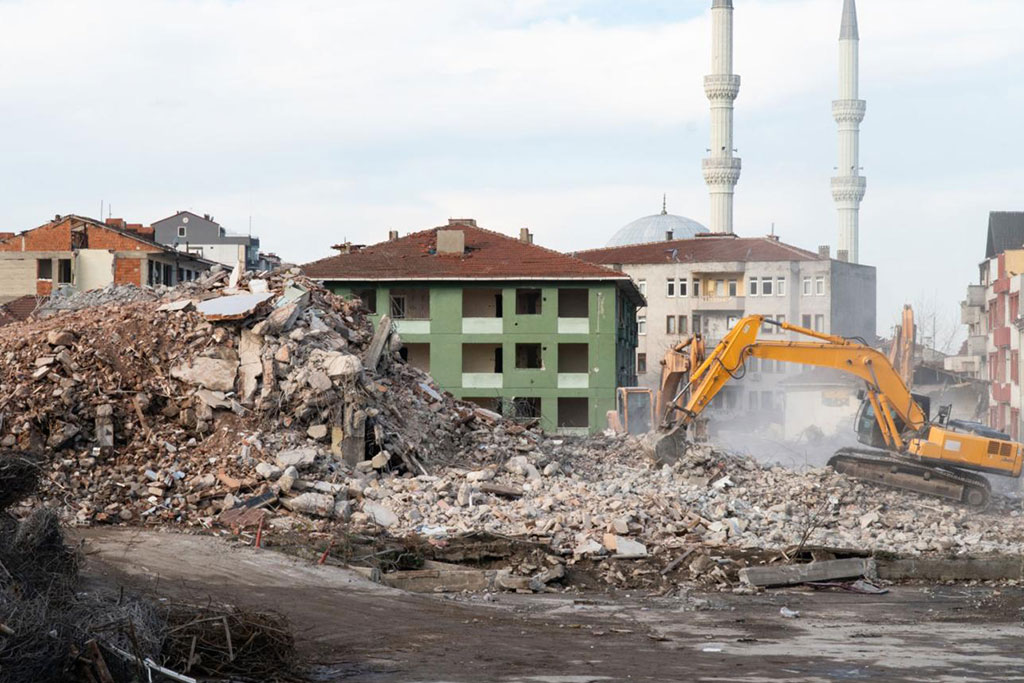
Earthquakes strike without warning, caused by sudden shifts in the Earth’s tectonic plates. In mere seconds, they can reduce buildings to rubble, disrupt infrastructure, and claim thousands of lives. Regions along fault lines, such as parts of Asia, South America, and the Pacific remain especially vulnerable.
What makes earthquakes particularly dangerous is their unpredictability. Unlike storms or floods, there is often little to no advance notice. This places enormous importance on preparedness: stronger building codes, early warning systems, and community education can mean the difference between survival and catastrophe.
Floods: The Most Widespread Disaster
Flooding is the most common natural disaster worldwide, affecting more people each year than any other hazard. Triggered by heavy rainfall, hurricanes, melting snow, or dam failures, floods can devastate both urban and rural communities.
Climate change has intensified this risk. Warmer temperatures increase the atmosphere’s capacity to hold moisture, leading to heavier and more frequent rainfall. In many parts of the world, aging infrastructure and poor drainage systems worsen the impact, turning streets into rivers and homes into danger zones.
The aftermath of floods extends far beyond immediate damage. Contaminated water supplies, displacement, and economic loss can affect communities for months, or even years.
Wildfires: A Growing Global Threat
Wildfires have become more destructive and harder to control, particularly in regions experiencing prolonged drought and extreme heat. Once seasonal, wildfire activity now stretches longer and burns hotter, fueled by dry vegetation and shifting climate patterns.
Beyond the flames, wildfires produce hazardous smoke that travels hundreds of miles, affecting air quality and public health far beyond the burn zone. Entire communities have been forced to evacuate, and ecosystems that took decades to grow can be destroyed in hours.
Human activity also plays a role, whether through accidental ignition, land mismanagement, or urban expansion into fire-prone areas.
A Changing Climate, A Shared Responsibility
While natural disasters cannot be prevented entirely, their impact can be reduced. Scientists widely agree that climate change is amplifying many of these events, particularly floods and wildfires. Rising global temperatures, shifting weather patterns, and environmental degradation are creating conditions where disasters become more frequent and severe.
Governments, organizations, and communities are increasingly investing in resilience strategies: Building smarter infrastructure designed to withstand extreme conditions, expanding early warning systems and emergency response networks, promoting sustainable land and water management practices and educating the public on disaster preparedness