

U.S. Military - Iran Update: Escalating Tensions as Naval Blockade and Regional Conflict Intensify
Tensions between the United States and Iran have sharply escalated following a major announcement by the U.S. military to begin a naval blockade targeting Iranian maritime traffic, a move that could significantly reshape security and economic conditions across the Middle East.
U.S. Announces Naval Blockade of Iranian Ports
The U.S. Central Command (CENTCOM) confirmed that it will begin enforcing a blockade on all maritime traffic entering and exiting Iranian ports starting April 13 at 10 a.m. ET.
According to officials, the blockade is aimed at restricting Iran’s ability to move oil exports and military supplies by sea while increasing pressure on Tehran after failed ceasefire negotiations.
The operation will target vessels bound for Iranian ports in the Persian Gulf and Gulf of Oman, while still allowing non-Iranian transit through the Strait of Hormuz under strict monitoring conditions.
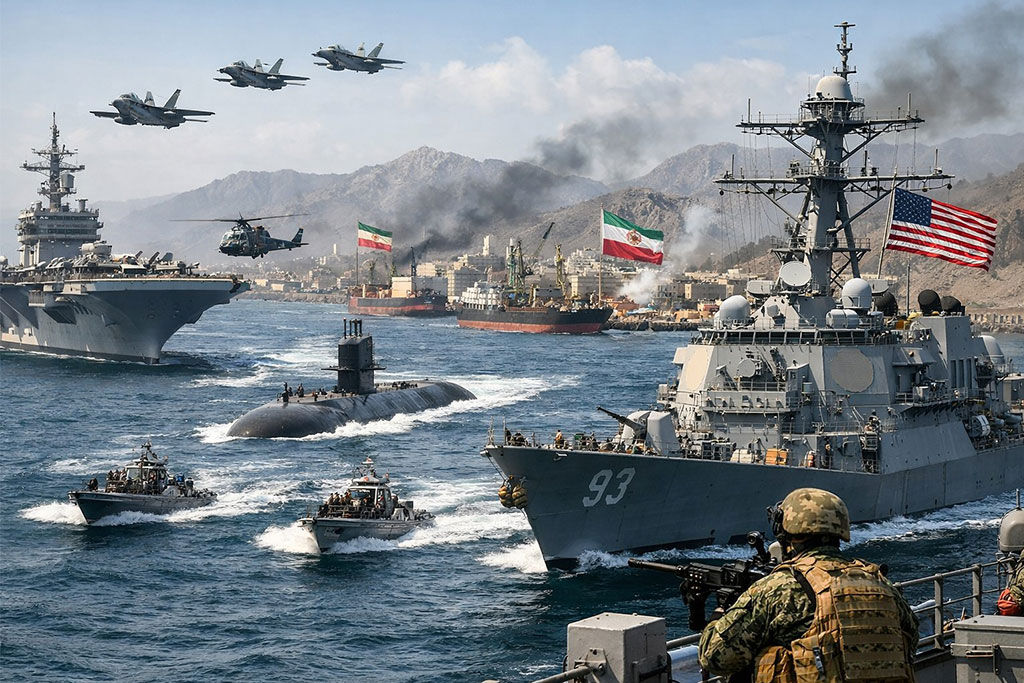
Military officials stated the enforcement will be “impartial,” applying to ships from all nations trading with Iran.
Iran Responds With Threats of Retaliation
Iranian officials quickly condemned the blockade, warning that they may retaliate against Gulf states and regional ports if the U.S. proceeds with what they call an “illegal act of war.”
Tehran has also maintained control measures over the Strait of Hormuz, a critical global shipping lane that carries roughly 20% of the world’s oil supply, further increasing fears of energy disruptions and maritime instability.
Rising Risk of Regional Conflict
The situation follows weeks of intensifying military exchanges and failed diplomatic negotiations aimed at de-escalation. Analysts warn that the blockade could trigger broader regional instability, particularly if Iran expands retaliatory actions beyond maritime disruptions.
Recent reports indicate that:
- Oil prices have surged more than 7% due to supply fears
- Commercial shipping companies are rerouting or delaying operations in the Gulf
- NATO allies have declined to participate in the blockade, urging diplomatic resolution
U.S. Military Build – Up in the Region
In parallel with the blockade, the U.S. has significantly increased its military presence in the Middle East, deploying carrier strike groups, destroyers, surveillance aircraft, and counter-drone systems to the region.
This buildup is designed to deter Iranian retaliation, protect shipping lanes, and maintain readiness for potential escalation.
Iran’s Military Position
Despite sustained U.S. and allied airstrikes over recent months, reports suggest Iran retains significant asymmetric naval capability, particularly fast-attack boats and drone systems capable of disrupting shipping traffic in the Strait of Hormuz.
These forces continue to pose a threat to commercial vessels and military operations operating in the Gulf region.
Global Concerns Over Oil and Trade Stability
The Strait of Hormuz remains the most critical chokepoint in global energy trade. Any prolonged disruption could have widespread economic consequences, including: Higher global fuel prices; Supply chain delays in Europe and Asia; Increased insurance and shipping costs; Volatility in global markets.
With diplomacy stalled and military operations expanding, the U.S.– Iran confrontation is entering a more dangerous phase. Analysts warn that the coming days will be critical in determining whether the situation escalates into broader regional conflict or returns to negotiations.